As more homeowners across Maryland's Eastern Shore plan to stay in their homes long-term, remodeling for the future has become one of the smartest investments you can make.
Instead of waiting until mobility or accessibility challenges arise, proactive homeowners are choosing to update their kitchens and bathrooms now.
The goal is to maximize safety, comfort, and day-to-day usability—all while maintaining a stunning, sophisticated aesthetic that feels like a premium retreat.
Whether you live in an older family home in Salisbury, a waterfront condo near Ocean City, or a secondary vacation property along the Delmarva Peninsula, thoughtful remodeling ensures your home adapts alongside you over time.
At Kitchen Concepts Plus, we specialize in helping you reimagine your spaces with beautiful, custom-tailored designs built for both today and tomorrow.
What Is Aging in Place Remodeling?
Aging-in-place remodeling focuses on designing a home that remains functional, safe, and comfortable as your lifestyle and physical needs change with age.
Rather than making hasty, reactive changes down the road, this approach incorporates seamless accessibility features right from the beginning of your design process.
Most long-term renovations focus heavily on kitchens and bathrooms because these are the spaces where everyday functionality matters most:
- Highest Risk Zones: Bathrooms and kitchens are statistically where slips and falls are most likely to occur due to water and hard surfaces.
- Early Indicators: Everyday challenges, like reaching high cabinets or stepping over a high tub wall, are noticeable first in these rooms.
- Layout Inefficiencies: Outdated, cramped floor plans create daily friction and unnecessary physical strain during routine tasks.
- Design Over Medical: True aging-in-place design should never look or feel "medical" or institutional. Modern accessibility is entirely invisible, blending high-end luxury with smart, ergonomic engineering.
Thoughtful planning can help homeowners remain independent longer while also increasing the home's long-term value.
The Local Reality: Remodeling on Maryland’s Eastern Shore
Across the Delmarva Peninsula, several distinct regional and environmental factors make early, strategic remodeling essential:
Updating 1980s & 1990s Suburban Layouts
Many homes built throughout Salisbury and surrounding areas during the late 20th century feature narrow walkways, partitioned floor plans, and highly restricted storage configurations.
A comprehensive remodel provides the perfect opportunity to modernize your layout, open up traffic flow, and improve visibility.
Maximizing Tight Condo & Vacation Spaces
Eastern Shore condos and secondary resort properties often present strict spatial constraints, tight bathroom corridors, and limited storage.
Smart modifications help maximize every available inch while strictly adhering to local building codes and strict HOA approval processes.
Navigating the Coastal Climate & High Humidity
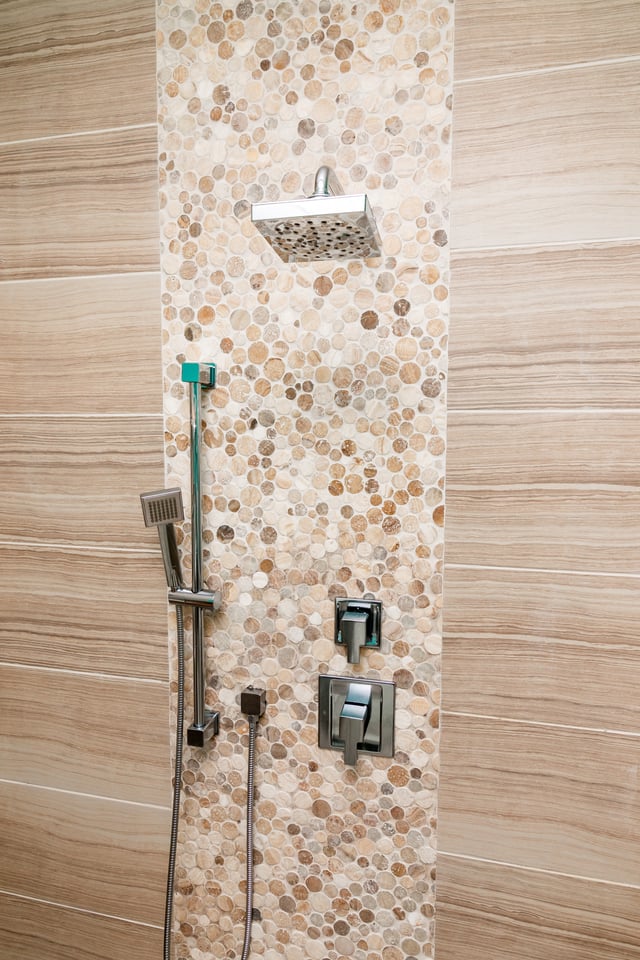
The humid coastal climate of the Eastern Shore demands moisture-resistant, highly durable materials. Flooring choices require extra care.
Choosing textured luxury vinyl plank (LVP) or matte-finish porcelain tile provides critical slip resistance to counter seasonal humidity and damp tracking.
Beating the Seasonal Resort Construction Restrictions
In coastal beach communities near Ocean City, local municipalities often impose strict construction and noise bans during peak summer tourism seasons.
Planning and booking your remodeling project early lets you avoid unexpected scheduling delays and complete it efficiently in the off-season.
4 Key Principles of Aging in Place Design
The best aging-in-place updates focus on subtle improvements that make a home easier to navigate without making it feel clinical or institutional.
1. Improved Accessibility
Accessibility upgrades help reduce strain and improve mobility throughout the home.
Examples include:
- Wider walkways
- Easier-to-reach storage
- Reduced step-ups and thresholds
- Better appliance placement
- Easy-entry showers
These upgrades often improve convenience for homeowners of all ages—not just retirees.
2. Safer Layouts
Falls are one of the biggest safety concerns in kitchens and bathrooms.
Aging in place remodeling helps reduce risks through:
- Slip-resistant flooring
- Better lighting
- Open floor plans
- Reduced clutter zones
- Improved traffic flow
3. Better Lighting & Visibility
Proper lighting becomes increasingly important over time.
Layered lighting strategies may include:
- Under-cabinet lighting
- Brighter vanity lighting
- Motion-sensor lighting
- Task lighting in prep areas
- Improved natural light
Good lighting improves both safety and overall comfort.
4. Smarter Storage Solutions
Traditional cabinetry often forces homeowners to bend, crouch, or reach awkwardly.
Modern aging in place storage solutions focus on accessibility and ease of use through:
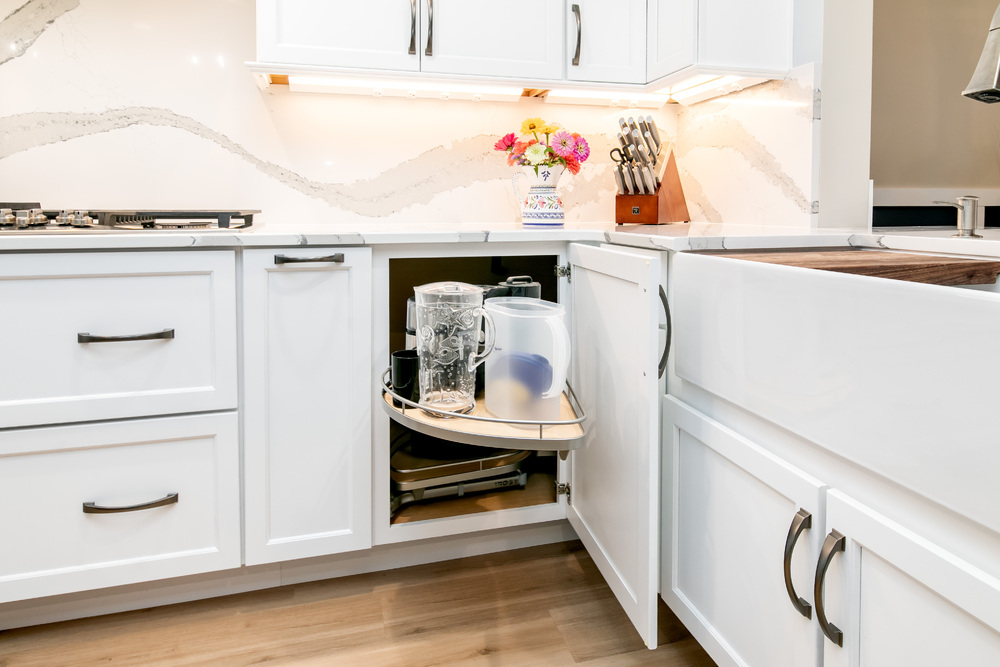
- Pull-out shelving
- Deep drawers
- Vertical storage
- Soft-close cabinetry
- Easy-access pantry systems
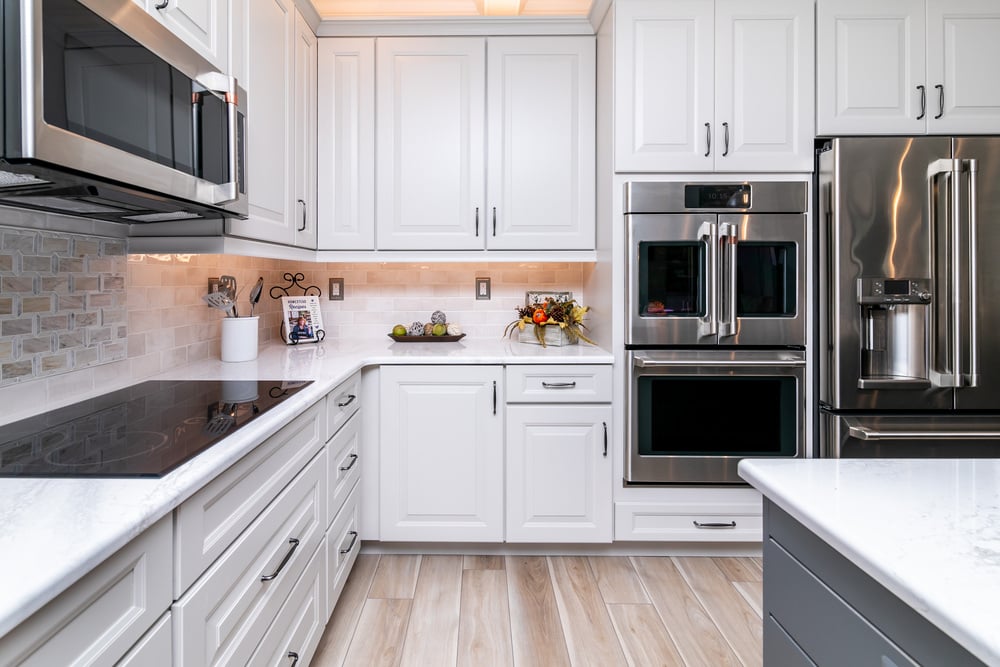
Smart Kitchen Upgrades: Layouts and Cabinetry Built for the Future
The kitchen is the true heart of your home, and designing it for long-term use requires balancing efficient workflows with beautiful finishes.
|
Kitchen Design Area: |
Traditional Layout Challenges: |
Modern Aging-in-Place Solution: |
|
Walkway Clearance |
Narrow 30-inch paths that cause bumping and restrict walking aids. |
Wide, open-concept aisles (42 to 48 inches) between islands and counters. |
|
Lower Cabinetry |
Deep, dark base cabinets that require uncomfortable crouching and bending. |
Deep drawer base cabinets, pull-out trays, and motorized pull-down shelving. |
|
Appliance Setup |
Low, heavy lifting from standard under-counter ovens or low microwaves. |
Wall ovens installed at a comfortable chest height, with accessible microwave drawers. |
To elevate the aesthetics, you can style these accessible layouts using today's top design trends.
For instance, two-tone cabinetry featuring soft cream upper cabinets keeps the space feeling open and airy, while deep lower drawer banks finished in trending sage green or rich navy ground the room with timeless personality. Pair these with warm brushed brass or champagne bronze hardware to create a look that is completely high-end, not medical.
Transforming Bathrooms into Secure, Spa-Like Retreats
Thoughtful bathroom updates can dramatically improve both daily safety and property value, transforming an ordinary space into a peaceful, secure oasis.
Curbless Walk-In Showers
Eliminating the traditional step-over tub or shower barrier removes the single greatest tripping hazard in the bathroom.
Zero-threshold, curbless walk-in showers create a continuous floor line that is easy to navigate. When paired with frameless glass enclosures and matching linear drainage systems, the result is a clean, minimalist, upscale spa aesthetic.
Designer Grab Bars
You can completely forget about the clinical, institutional chrome bars found in commercial facilities. Modern safety hardware is seamlessly integrated directly into the room's overarching design.
Today's premium options function beautifully while matching the exact finish of your vanity faucets, shower heads, towel rings, and cabinet pulls.
Layered, Glare-Reducing Lighting
As visibility needs change, proper lighting placement becomes paramount. Instead of relying on a single overhead fixture that casts harsh shadows, incorporate a layered lighting strategy:
- Shadow-Free Vanities: Side-mounted vertical sconces provide even illumination across the face.
- Task & Shower Lighting: Direct, bright, flush-mounted waterproof LEDs inside the shower enclosure.
- Ambient Night Lighting: Low-voltage, motion-activated toe-kick lighting underneath the vanities to guide evening use safely without blinding glare.
Looking for inspiration? Browse our gallery of kitchen and bathroom projects.
When Should You Start Aging-in-Place Remodeling?
The best time to plan aging-in-place remodeling is before you urgently need it.
Many homeowners begin these upgrades during:
- Kitchen remodels
- Bathroom renovations
- Retirement planning
- Second-home upgrades
- Downsizing prevention planning
Planning ahead allows homeowners to:
- Make thoughtful design decisions
- Spread out renovation costs
- Avoid emergency modifications later
- Maintain design consistency throughout the home
One Team. One Process. Why Kitchen Concepts Plus is Delmarva's Trusted Choice
When managing a long-term remodel, you shouldn't have to stress over coordinating separate architects, independent interior designers, and unpredictable subcontractors.
Kitchen Concepts Plus offers a comprehensive, all-in-one design-build solution. From your very first sketch to the final structural installation, our dedicated local team manages every permit, vendor, and timeline milestone so you don't have to.
- State-of-the-Art Showroom: Visit our fully appointed Design Center in Salisbury to touch, test, and feel slip-resistant flooring textures, ease-of-use cabinetry lines, and custom hardware configurations firsthand.
- Praised In-House Installers: We rely exclusively on our own licensed, background-checked, in-house installation specialists—never random third-party subcontractors. Our clients consistently praise our team for their cleanliness, courtesy, and profound respect for your home.
- A Proven Six-Step Roadmap: We guide you clearly through an organized, step-by-step process that features initial home measurements, 3D color perspective drawings, a completely transparent line-item budget, and a detailed day-by-day construction calendar. You will always know exactly who is in your home and what is being accomplished each day.
-1-1.jpg?width=712&height=534&name=Sales%20Team%20(1)-1-1.jpg)
Frequently Asked Questions About Aging in Place Remodeling
What does aging-in-place remodeling mean?
Aging-in-place remodeling refers to designing a home so it remains safe, functional, and comfortable as homeowners age. This often includes accessibility improvements, safer layouts, better lighting, and easier-to-use kitchens and bathrooms.
What are the best aging-in-place kitchen upgrades?
Some of the most effective aging-in-place kitchen upgrades include wider walkways, pull-out shelving, drawer storage, slip-resistant flooring, and appliances installed at accessible heights.
What are the most important aging-in-place bathroom features?
Curbless showers, grab bars, comfort-height toilets, improved lighting, and slip-resistant flooring are among the most valuable bathroom upgrades for aging in place.
Does aging-in-place remodeling increase long-term home value?
Yes. Homes featuring open layouts, wider pathways, and elegant main-level accessibility attract a much wider pool of prospective buyers—especially across the retirement-friendly Delmarva Peninsula.
Should aging-in-place remodeling look “medical”?
Not at all. Modern aging-in-place remodeling focuses on integrating accessibility into beautiful, comfortable designs that feel warm and welcoming—not clinical.
Can a walk-in shower entirely replace a bathtub?
In primary suites, absolutely. Replacing an oversized, underutilized garden tub with a spacious, zero-threshold walk-in shower maximizes daily usable space and functionality. However, we generally recommend keeping at least one standard bathtub in a secondary or hallway bathroom to maintain maximum flexibility for future resale.
Create a Home Designed for the Future
At Kitchen Concepts Plus, we help homeowners across Maryland’s Eastern Shore create kitchens and bathrooms that combine timeless style with long-term functionality.
Whether you’re planning ahead for retirement, updating an older home, or remodeling a second property, we’ll help you create a space that works beautifully for years to come.
Ready to see how thoughtful layout design can transform your home?
Get in touch with the neighborhood experts at Kitchen Concepts Plus to schedule your initial design consultation, or visit our Salisbury showroom to discover the endless possibilities for your home.