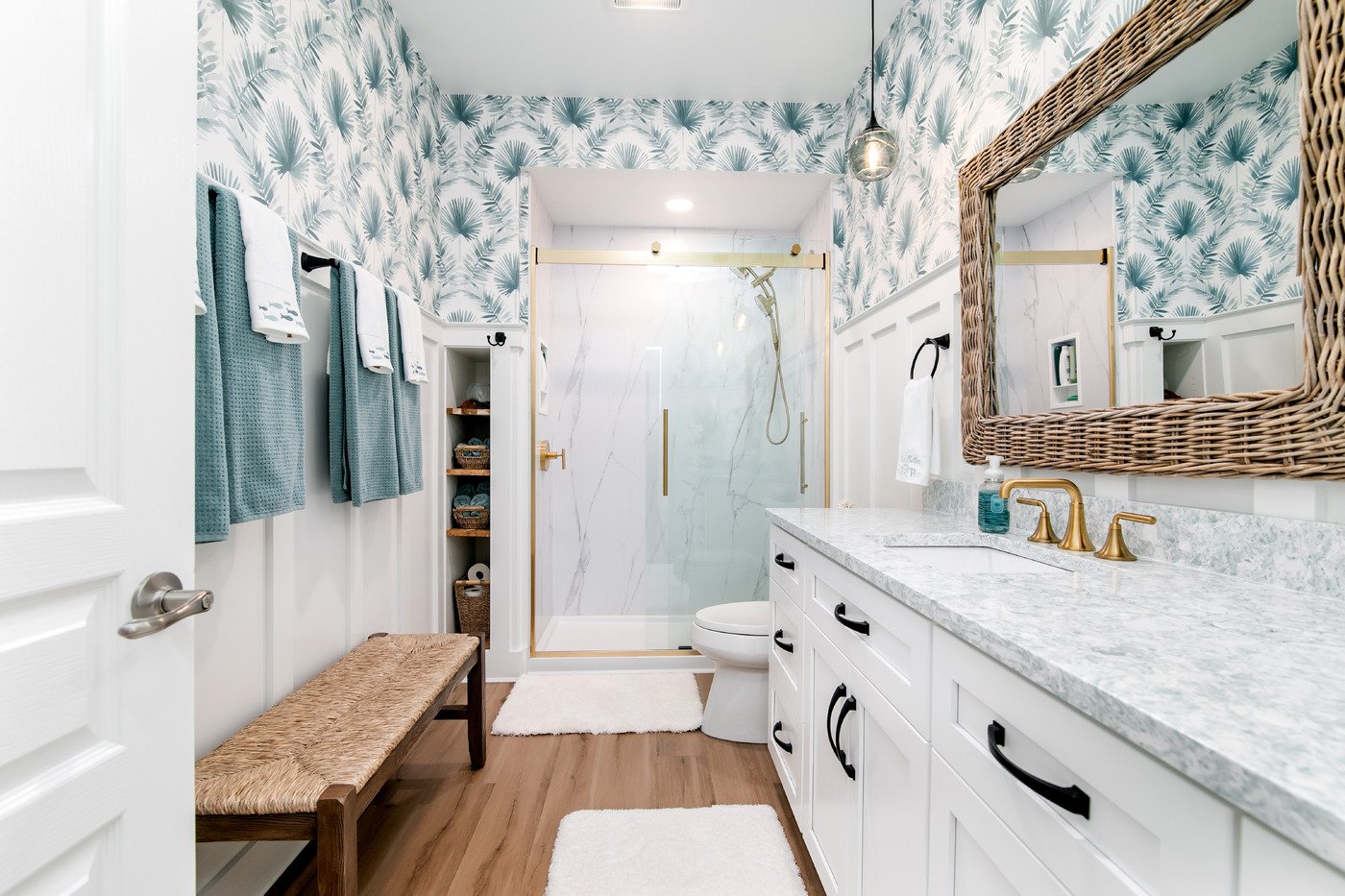
If you’re planning a bathroom remodel, one of the first questions you’ll face is whether to include a bathtub, a walk-in shower, or both.
But today, this decision isn’t just about choosing one over the other—it’s about how your entire bathroom is designed.
The layout, how you use the space, and how your needs may change over time all play a role in what makes the most sense. And for homeowners across the Eastern Shore, factors like coastal humidity, second-home usage, and resale expectations in areas like Ocean City can also influence the final design.
How Bathroom Design Has Changed Over the Last 10+ Years
Bathroom design has evolved significantly over the past decade.
Where large corner or garden tubs were once standard in primary bathrooms, today’s remodels are shifting toward more intentional, functional layouts.
We now commonly see:
- Larger, more open walk-in showers replacing oversized built-in tubs
- Freestanding tubs are used as a design feature rather than a default
- Layouts designed to create a spa-like feel
- Features that support long-term usability and aging in place
We’re no longer designing bathrooms around a single fixture. We’re designing them around how the space feels, functions, and supports your lifestyle.
Where Bathtubs Fit in Today’s Bathroom Designs
Bathtubs are still an important part of bathroom design, but how they’re used has changed.
Bathtubs in Primary Bathrooms
In primary suites, bathtubs are no longer always required. When they’re included, they’re intentional.
We often see:
- Freestanding tubs are used as a visual focal point
- Placement near windows or open space to enhance the overall experience
- Tubs are paired with larger walk-in showers instead of being combined into one unit
In these cases, the bathtub becomes part of creating a space that feels relaxing and elevated—not just functional.
Bathtubs in Secondary and Kids’ Bathrooms
This is where tubs are still most practical, and often expected.
In many homes, we recommend keeping at least one bathtub for:
- Families with young children
- Guest or shared bathrooms
- Long-term flexibility and resale
In these spaces, alcove tubs or tub-shower combinations remain the most common solution because they balance functionality with efficiency.
Where Walk-In Showers Make the Most Sense
Walk-in showers have become the centerpiece of many modern bathroom designs.
We typically see them used in:
- Primary bathrooms where space allows for a larger layout
- Homes prioritizing accessibility and ease of use
- Smaller bathrooms or condos where maximizing space is important
Features like curbless entry, built-in seating, and clean glass enclosures help create a space that feels open, modern, and easy to navigate.
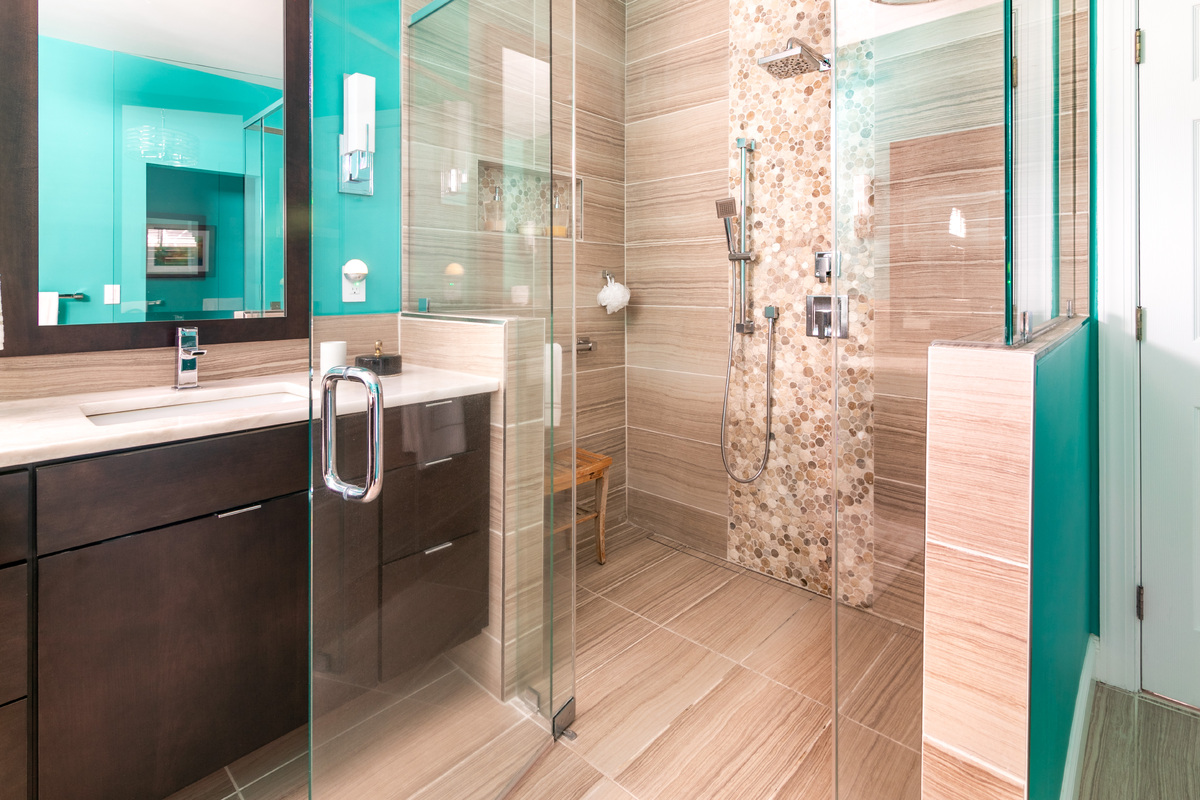
Designing for Aging in Place and Long-Term Use
For many homeowners, a bathroom remodel isn’t just about how the space looks today. It’s about how it will function in the future.
Walk-in showers are often preferred for aging in place because they:
- Eliminate the need to step over a high tub edge
- Allow for easier movement and accessibility
- Can incorporate features like grab bars and built-in seating
Bathtubs, on the other hand, can become more difficult to use over time, but still play an important role when included in secondary spaces.
A thoughtful design considers both current needs and what may change in the years ahead.
Should You Choose a Tub, a Shower, or Both?
The best choice depends on your space, your lifestyle, and how the bathroom will be used.
|
Option |
Best For |
Why It Works |
|
Walk-In Shower |
Primary bathrooms, smaller spaces, aging-in-place |
Easier access, modern look, maximizes usable space |
|
Bathtub |
Secondary bathrooms, families, and guest use |
Supports bathing needs for kids, adds flexibility for future buyers |
|
Both (Tub + Shower) |
Larger primary bathrooms, custom remodels |
Combines function and relaxation, creates a high-end, spa-like feel |
In many cases, combining a freestanding tub with a walk-in shower provides the most flexibility and visual impact.
Why Layout Matters More Than the Fixture
One of the biggest misconceptions in bathroom design is that the decision comes down to choosing a tub or a shower.
In reality, the layout matters more.
Things like:
- Available square footage
- Plumbing locations
- How you move through the space
- Who will be using the bathroom
These factors all play a bigger role in the final design than the fixture itself.
The goal is to create a space that works for your daily routine—not just one that looks good on paper.
Coastal Considerations for Eastern Shore Homes
Homes on the Eastern Shore come with unique factors that influence bathroom design.
Humidity & Moisture
Higher humidity levels mean proper ventilation and material selection are critical for long-term performance.
- Walk-in showers require proper waterproofing and ventilation
- Material selection becomes more important to prevent long-term issues
Second Homes & Vacation Properties
Walk-in showers are often preferred for:
- Easier cleaning
- Faster turnover between guests
However, tubs can still be valuable for families visiting these homes.
Space Constraints (Especially Condos)
In smaller bathrooms:
- Walk-in showers help maximize space
- Open designs can make the room feel larger
How to Decide What’s Right for Your Bathroom
If you’re still unsure whether a tub is right for your home, start with these questions:
- How do you use your bathroom every day?
- Who will be using this space now—and in the future?
- Is this a primary bathroom or a secondary bathroom?
- Are you planning to stay in your home long-term?
- What matters most: accessibility, relaxation, or flexibility?
The right answer varies from home to home, but a thoughtful design will always balance both function and comfort.
Frequently Asked Questions
Do I need a bathtub in my home?
In most cases, it’s recommended to have at least one bathtub—especially in family-oriented homes.
Are walk-in showers better for small bathrooms?
Yes, walk-in showers can make smaller bathrooms feel more open and spacious.
Is it better to have both a tub and a shower?
If space allows, having both offers the most flexibility for everyday use and future resale.
What’s best for aging in place?
Walk-in showers are typically the better option due to easier access and improved safety.
Why Working With the Right Team Matters
Designing a bathroom isn’t just about choosing fixtures—it’s about creating a space that works for your life.
At Kitchen Concepts Plus, we guide homeowners through every step of the process—from layout and material selection to installation and final details.
With a dedicated design center, in-house installers, and full project management, we make the process feel clear, collaborative, and manageable—so you don’t have to figure it out alone.
Thinking About Remodeling Your Bathroom?
Whether you’re updating a primary suite or reworking a secondary bathroom, we’ll help you design a space that fits your home, your lifestyle, and your long-term goals.
Let’s talk through your options and create a plan that works for you.